11 Vertical Storytelling Examples: From Romance to AI Horror
Vertical storytelling is narrative-driven video content made for mobile viewing, usually in a 9:16 aspect ratio. This guide provides concrete vertical storytelling examples to show how the format works in practice. These stories are often released as minute-long episodes on platforms like TikTok and ReelShort. They use fast plots, emotional hooks, and cliffhangers to hold the attention of the audience. The format includes many genres, from romance and melodrama to AI-driven horror and branded entertainment, all designed for a mobile-first environment.
5 Romance-Based Vertical Storytelling Examples
Common vertical storytelling examples in the romance genre use popular tropes like "enemies to lovers" and "hidden identity" to create addictive narratives. These stories appear on social media and short-form drama apps, relying on melodrama and relatable conflict. The award-winning Romcom series 'Office Enemies' is one successful example. An AI filmmaking masterclass attendee noted their addictive quality, saying, "these weird dramas keep popping up in my Facebook that suck me in and I really have to know like did the guy get fired and... marry the the innocent girl."
Here are five prevalent romance subgenres used in vertical storytelling:
- Second Chance Romance: This plot follows a character after a divorce. They believe they will be alone but find a new partner.
- Enemies to Lovers: Two characters, often professional rivals, spend the first part of the series trying to sabotage each other. They eventually fall in love.
- Post-Divorce Strong Female Lead: The narrative centers on a woman escaping an unfulfilling or abusive marriage. She finds empowerment and a new, supportive partner.
- Hidden Identity: A popular storyline features a character who is secretly a billionaire but has amnesia and lives as a homeless person. The female lead treats him with kindness, creating a stark contrast with her wealthy, cruel boyfriend. This setup leads to a dramatic reveal.
- Romantasy: This genre combines romance with fantasy. The stories are set in worlds similar to Lord of the Rings or House of the Dragon, but the main focus is on the romantic relationships between characters like knights and princesses.
How a Vertical Story Scene is Structured
A vertical story scene is structured with a "hook, turn, and cliffhanger" to keep the audience engaged. An episode starts with a hook that drops the viewer into the middle of the action. A "turn," or an unexpected plot or emotional shift, follows. The scene ends on a cliffhanger, leaving a key question unanswered to make viewers watch the next episode. This structure is fundamental to many successful vertical storytelling examples.
An instructor from the masterclass gave a hypothetical example of this structure:
- The Hook: The scene opens in the middle of a heated argument. The audience does not know the characters or the conflict's origin. This immediate tension creates intrigue. The instructor advised, "Where should we start the episode? Middle of the argument... You got to stay to find out."
- The Turn: As the argument peaks, one character suddenly stops and starts crying. This abrupt emotional change is the turn. The audience is left to wonder what caused the shift from anger to vulnerability.
- The Cliffhanger: The other character softens and puts a hand on the crying person's shoulder. The crying character then leans in for a kiss. The episode cuts off at this moment. The instructor concluded, "As I lean in. Will he won't he? Right. There you go. That's an episode."
This structure packs each short episode with emotional development and suspense.
4 Non-Romance Vertical Storytelling Examples
Beyond romance, there are many non-romance vertical storytelling examples, including revenge fantasies, dark comedies, AI-driven thrillers, and young adult (YA) redemption stories. These pitches from an AI filmmaking masterclass demonstrate the creative range possible with non-romance vertical storytelling examples:
- YA Redemption Arc: A successful YA series on the platform ReelShort centered on a hidden identity and an "enemy to friends" redemption story. This proves that non-romantic narratives can perform "super well" with the right structure.
- Fantasy Revenge: A pitch titled 'The Vows' told a fantasy story about a bride pushed from a cliff by her fiancé on their wedding day. She awakens on a magical island with one chance to relive the day and seek revenge. The presenter described this concept as using the "rage bait of vertical" within a Groundhog Day-style loop.
- Dark Comedy: 'The Boogeyman' was a dark comedy about a struggling golf pro who accidentally kills his rival and then plays the best round of his life. He starts to associate murder with success, rationalizing more killings to advance his career. He hears sports commentator Jim Nance narrating the murders in his head.
- AI Horror/Thriller: Instructors pointed to the growth of AI-generated shows on vertical platforms, especially in horror and thriller genres. These shows often use a "semi-anime style" and build worlds similar to those in Bird Box or A Quiet Place.
2 Brand and Creator Vertical Storytelling Examples
Brands and creators use vertical storytelling to build an audience and share narratives that feel like entertainment, not ads. For brands, this involves making episodic content where the product fits naturally into the story. For creators, it is a way to build distinct visual worlds with recurring characters. These vertical storytelling examples show the format's commercial and artistic flexibility.
- Branded Content: An instructor suggested a branded content example for Patagonia. "Say Patagonia does a vertical... it's a story about, you know, let's say romance on a on a hike, right? Or or mountain explorers fall in love, using with Patagonia brands." In this story, the tents, jackets, and gear are part of the narrative. They are not part of a direct sales pitch. The goal is to build brand affinity by encouraging the audience to return for new episodes.
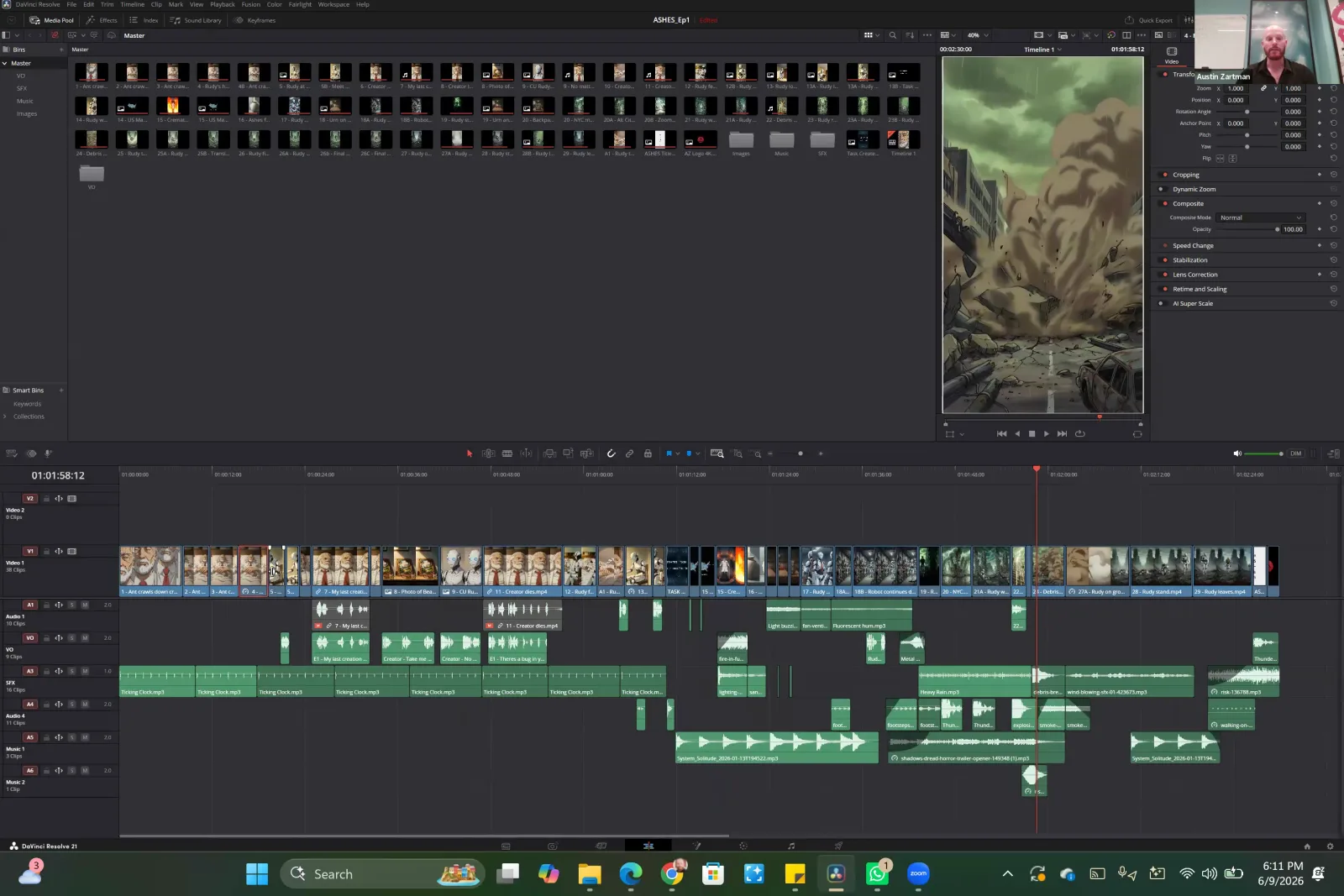
- Independent Creator: AI filmmaker Austin Zartman highlighted the AI creator Goth Goblin as an artist using the format well. Zartman said, "He has this very, um, visually distinctive worlds and some recurring characters, but each, uh, episode that he comes with, comes up with is usually following like a different character within that world." This is a non-serialized, world-building approach. The consistent aesthetic is the main draw, which allows for creative freedom inside an established universe.
Frequently asked questions
What are some common vertical storytelling examples by genre? Based on the masterclass, the most common genres are romance-based. These include Romcoms like the award-winning 'Office Enemies,' "enemies to lovers" plots, and "hidden identity" stories. Revenge dramas and fantasy romance, or "Romantasy," are also popular on vertical platforms.
What is an example of a vertical story hook? A powerful hook is to start an episode in the middle of a heated argument. As explained by an instructor, the audience is immediately dropped into a high-stakes conflict without context. This creates instant intrigue and makes them stay to find out what is happening.
Are all vertical storytelling examples about romance? No. While romance is a dominant genre, there are successful vertical storytelling examples in other categories. AI filmmaker Austin Zartman and his collaborators highlight a YA redemption story on ReelShort, AI-generated horror shows with a semi-anime style, and unique dark comedies.
How can brands use vertical storytelling? Brands can use vertical storytelling to create episodic series where their products are featured naturally within the narrative. For instance, a brand like Patagonia could create a story about explorers falling in love on a mountain, featuring its gear without creating a traditional commercial. This helps build an authentic connection with the audience.
Keep learning
This guide is part of the Introduction to AI Filmmaking masterclass lesson.
Related guides:
Comments
Sign in with your Leyline account to join the conversation.