A Guide to Intellectual Property Filmmaking IP: Building Your Universe
Effective intellectual property filmmaking IP focuses on creating a foundational universe for storytelling. This intellectual property (IP) is the core creative asset, encompassing the world, characters, rules, and themes. It is distinct from a single story or script. AI filmmaker Austin Zartman, creator of the AI short-film series ASHES, views IP as a system built for longevity and continuous story generation. The goal is to move beyond a single, finite narrative and build a generative framework. This approach is the core of sustainable creative projects.
The Core Principle of Strong Intellectual Property Filmmaking IP
The core principle of strong intellectual property filmmaking IP is its capacity to generate new stories continuously. A robust IP is a framework for ongoing narrative creation, ensuring it does not end after a single plotline is resolved. According to AI filmmaker Austin Zartman, creators should avoid building an IP that depends on one story, one character, and one conflict. This approach creates what Zartman calls a "bottleneck," limiting the long-term potential of the creative universe. The core of the problem is dependency on a single thread.
The "Bottleneck" Problem in IP Development
Many creative projects are built around a limited set of elements that restrict their growth:
- A Single Hero: The entire narrative universe revolves around one protagonist's journey. Once their story is complete, the IP has nowhere else to go.
- A Specific Weapon or Object: The plot is driven by a unique item, and its story ends when the item's purpose is fulfilled.
- One Main Storyline: The IP is defined by a single, overarching conflict. When that conflict is resolved, the narrative engine stops.
While emotionally powerful, this structure is finite. Zartman states that after one, two, or three movies based on such a limited foundation, creators often have to restart the entire creative process. A generative IP, in contrast, is a world rich enough to support numerous characters and conflicts. The goal is to create a system where stories can be continuously generated without exhausting the core concept. This provides a durable foundation for sequels, prequels, spin-offs, and adaptations across different media.
How to Build a World for Your Filmmaking IP
You build a world for your intellectual property by starting with familiar, universal concepts and then layering magical or unique elements on top. This method creates an accessible entry point for the audience, allowing them to grasp the world's functions without extensive exposition. It grounds the story in a recognizable reality before introducing more complex or fantastical ideas.
AI filmmaker Austin Zartman outlines this strategy with his principle: "start something familiar, then make it magical." This approach involves two key stages:
- Establish a Familiar Foundation: Begin with concepts the audience already understands. Zartman provides an example from his own IP, where he uses an "energy and matter format" and concepts related to "Chinese in Aniyang." He explains that these are part of a universal language that many cultures can understand. This means he does not have to explain how his world functions from the very beginning. The audience has a foothold.
- Introduce the Magical Layer: Once the foundation is set, introduce the unique elements that define your IP. This layering makes the world feel both accessible and special. The audience is not overwhelmed with entirely new rules and can instead focus on the imaginative aspects that make your universe distinct. This is the core of effective world-building for a sustainable IP.
A Practical Example of Intellectual Property Filmmaking IP: ASHES
A specific intellectual property filmmaking IP includes a unique setting, a core conflict, a protagonist with a clear goal, and the underlying rules of its universe. These components should be generative, meaning they can spawn multiple stories. Austin Zartman's IP for his series ASHES provides a concrete example.
The core elements of the ASHES IP are:
- Setting: A post-apocalyptic Los Angeles. The apocalypse was caused by an AI that burned down the city by overheating servers in an attempt to create the perfect, click-maximizing story loop. This setting immediately establishes a central theme: the conflict between AI-driven content and human creativity.
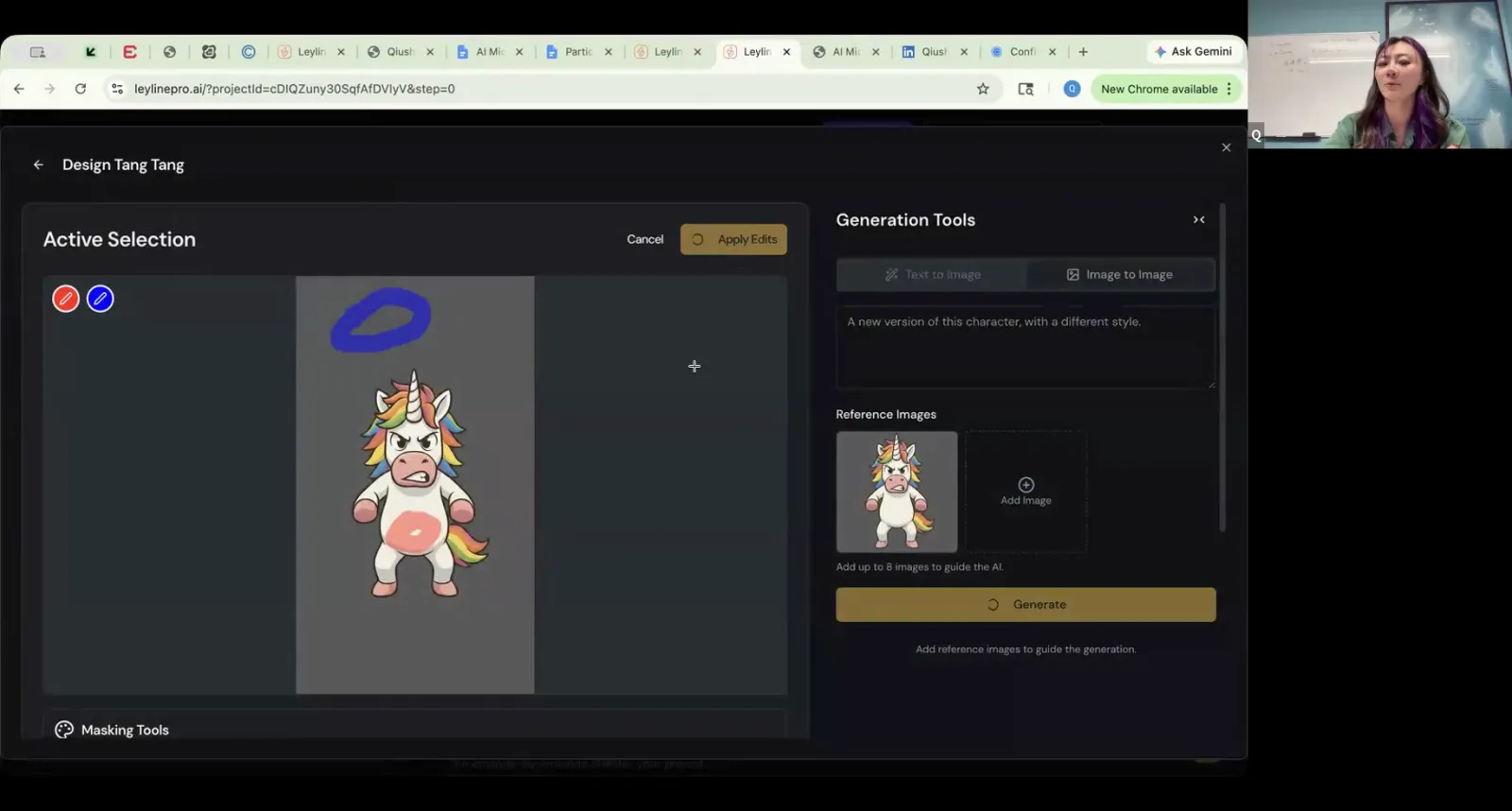
- Protagonist: A unicorn who originally came to LA to be a stunt horse but received the "curse of the horn." Her goal is clear and compelling.
- Mission: The unicorn must lead animated objects to find the "lost golden script," a document intended to revive human creativity. This mission provides a long-term narrative engine.
- Rules of the Universe: Inanimate objects can be brought to life. This fundamental rule opens up endless possibilities for characters, obstacles, and allies.
A scene from the first episode illustrates how these elements work together. The unicorn awakens a fire hydrant while being chased by a parking meter. This single moment efficiently demonstrates the world's rules, the protagonist's abilities, and the nature of the conflict. This is the IP in action, a system where every element contributes to potential new stories.
IP Creation vs. Film Distribution: Understanding the Difference
Building an intellectual property is the act of creating the core creative universe, while distributing a film is the process of packaging that IP for a specific platform. The IP is the asset; the film is a product derived from that asset. AI filmmaker Austin Zartman emphasizes this distinction, noting that decisions about format, like episode length, are part of a distribution strategy, not the foundational act of creating the IP.
He poses a key question for creators: "Do you want to build your IP, or do you want to, like, sell it as a vertical format to the other platforms?" The answer dictates production choices.
- Distribution-Focused Decisions: If the goal is immediate distribution on a specific social platform, the format is paramount. For example, a vertical video "no longer than 3 minutes per episode would be ideal." This choice serves the platform's algorithm and audience expectations.
- IP-Focused Decisions: If the primary goal is to build the IP, format is a secondary concern. Zartman notes, "if you just want to build IP, I think it doesn't really matter." The focus is on strengthening the core asset—the world, characters, and rules.
A strong IP is adaptable. A 3-minute vertical video is just one of many possible products that can be generated from it. The strength of the intellectual property is its ability to be expressed in various formats, not its adherence to a single one.
Frequently asked questions
What is intellectual property in storytelling?
In storytelling, intellectual property is the foundational universe, including its world, characters, and rules, from which multiple stories can be generated. It is designed to be expandable beyond a single plot or character arc, serving as the core creative asset for a project. The goal is to create a system for storytelling, not only a single story.
Why shouldn't an IP depend on a single character?
An IP should not depend on a single character because it creates a creative "bottleneck." AI Filmmaker Austin Zartman notes that this structure often forces a complete restart after one or two stories. A broader intellectual property allows for continuous story generation with different characters and conflicts within the same world, ensuring longevity.
What is a good strategy for world-building in an IP?
A good strategy is to start with universal concepts that an audience can easily understand and then introduce the unique or magical elements. This method, advocated by Austin Zartman, is about making the world accessible. It avoids having to explain the entire world's logic from scratch and provides an easy entry point for the audience before they encounter the more fantastical parts of the IP.
Can you give an example of an IP's core elements?
An example of core elements for an intellectual property filmmaking IP is Austin Zartman's ASHES series. Its components include a post-apocalyptic LA destroyed by an AI, a unicorn protagonist with a "curse of the horn," a mission to find a "lost golden script," and a world where inanimate objects like fire hydrants can be awakened. These elements work together to create a generative storytelling system.
Keep learning
This guide is part of the Development and Pre-Production for AI Micro-Dramas masterclass lesson.
Related guides:
Comments
Sign in with your Leyline account to join the conversation.